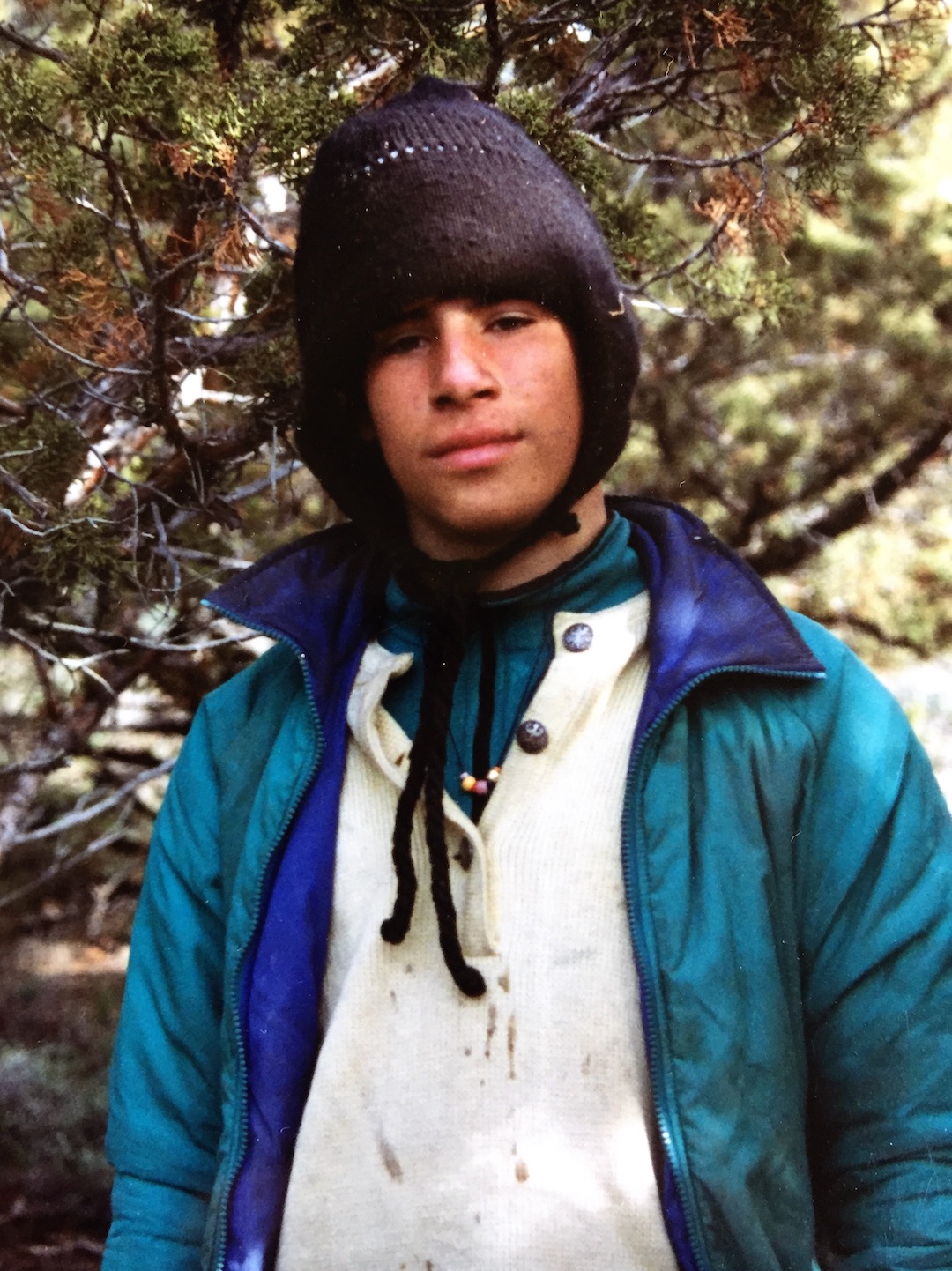
If you have ever been to an AA meeting, you might have heard some bozo who calls themselves a grateful member of Alcoholics Anonymous or some horseshit, and it doesn’t make sense. Why would someone be grateful for being a drunk? They can’t enjoy an ice-cold beer after mowing the lawn without losing their home, which has a lawn. What is there to be grateful for?
I got sober 32 years ago, and when I first heard someone saying they were grateful for their sobriety, I couldn’t help but be confused and feel angry. I didn’t have the obsession to drink removed right away, so gratitude for being sober wasn’t an easy feeling to have. I hated it. I had been sober for a few years and still couldn’t imagine life with or without alcohol & drugs. It felt like that was what sobriety was going to feel like forever.
Feeling like that made the steps seem like they were only for sobriety. If I work the steps perfectly, I would be able to not think about drinking and getting high for a few minutes. People were talking about having the obsession completely removed after a short period of time and speaking about their gratitude for sobriety.
It wasn’t like I was living a perfect life in early sobriety, and everything I have learned, I learned by putting my hand on a hot stove over and over again before realizing that the burner is hot. I shouldn’t be touching it, even with people telling me that they touched it before and burned themselves. The smart man learns from his own mistakes, the wise man learns from others’ mistakes, and the Fool, that’s me, learns after several of the same mistakes.
I was lying, cheating, stealing, fighting, and all kinds of other shitty behavior. It’s not like I maliciously knew I was being an asshole; I still didn’t know any other way. My life seemed normal. While I was not drinking, and even going to meetings and working the steps to the best of my ability, I just didn’t get it. Even with friends and others calling me on my bullshit, I persisted.
Getting sober at 17 was hard, not just because of thinking about growing up not drinking, but because I was immature and let’s be honest, dumb. My whole personality and life were dedicated to chasing, getting, and staying high. I didn’t think about a future, wasn’t into other hobbies or sports, and I certainly wasn’t trying to be a good boy.
So, when I got sober, I wasn’t trying to change anything; I didn’t know anything else. I was convinced that I should get clean & sober, but I didn’t know it meant changing anything, I just thought it was the act of not drinking and drugging by going to meetings, hanging out with sober people, and doing the steps – and the steps were just treating the things that “made” me drink.
The transition between using the program of AA for not drinking to changing the way I live my life and my relationship with the world around me was slow. It wasn’t an aha moment. It was the slow realization that I wasn’t craving a drink or a drug, and life started getting a little easier. I didn’t feel like I was swimming upstream every day. I had full days without the weight of the world on my shoulders. I found that I wasn’t as separated from the rest of the human race.
The third step is: “Made a decision to turn our will and our lives over to the care of God, as we understood Him.” When I came in at 17, I had no idea what my will or my life was. I knew nothing. While I was following the steps, I kept my focus on my past. Everything was to answer the unanswerable question: why did I drink and drug like that? I ignored the definition of humility: “Humility is a clear recognition of who we are, followed by a sincere attempt to become what we could be.” I understood the part about finding that clear recognition of who I was, but I stopped short of making a sincere attempt to become what I could be. It’s hard to fix what’s wrong now without any direction. How can I align my will with the Universe’s will without looking outward?
In books about relationships, they say the main reason for a relationship not working out is when one person is not willing to do the work on the relationship, and that includes the work we do for self-love. If I am to continue my work toward becoming what I could be, I need to keep going.
The inventory-and-amend process of the 12 Steps is one of the greatest tools in spiritual growth: Via Negativa. We must understand what God isn’t to understand what God is, and that isn’t a quick possession, because there is a lot that isn’t. But I am not using this process to find God; I am using it to find me. I need to know what I’m not to find out what I am.
As an alcoholic who got sober at 17, I didn’t know anything. Some people who got sober as adults had some inkling of who they are, but I didn’t. To survive in the rooms I was hanging out in, I needed to become a chameleon. I absorbed the personalities around me because I had nothing to give. It actually saved my life in early sobriety because while I was struggling to stay sober, I copied the people around me. I did this until the work started paying off.
The work paying off meant that I had a clearer understanding of who I am and what my purpose is. Because I have doubts about any deities pulling strings, I have found that creating purpose is up to me, and that is where I have found myself looking to acts of Love as my purpose. To be of service to other people, and to continue seeking.
If you’ve been to an AA meeting where they read “How It Works,” it ends with “God could and would if he were sought,” and I used to have a sponsor who would say “sought’s a verb, and a verb requires action.” Seeking for me has meant looking for my purpose and who I am, and that also means looking for what isn’t my purpose and who I am not. If I am not something, I must let it go.
So while I am extremely grateful for my sobriety, the gratitude is much more in the life that AA and the 12 steps have given me. The gift is when I found out that the program isn’t about drinking, but how we live our lives, and without the work I’ve done, I would have probably ended up drinking again. If I were unable to begin forming a future worth living in, I would have found my present unbearable. With suffering depression and watching the world burn around me, it’s already hard enough, but with the seeking I’ve already done, I have found a life worth living.
So 32 years later, I can honestly say I am a grateful member of Alcoholics Anonymous. It is so much more than just staying sober.
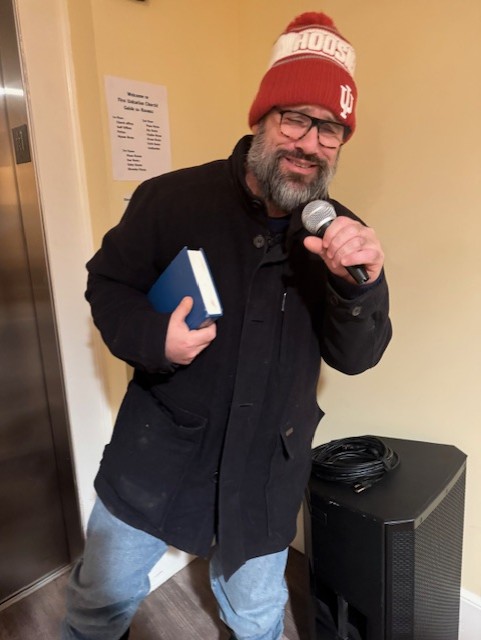
Congratulations, Dave….we are proud of all the hard work you have devoted to this
What are you doing in that picture there with the microphone? Singing? Declaiming? I see the book. I have that book. But it wasn’t AA that helped me, it was friends pointing out my behavior. At age 72. And i was not a heavy drinker at all; just a few beers a few days a week. But my personality changed with the first beer, and not in a good way. When i look back, I’m pissed off that I wasted a lot of time. But it could have been worse! I admire you! Your following those steps when they didn’t make much sense to you at such a young age was an expression of WHO you WERE and ARE. It wasn’t outlined or spoken, but it was there. Your “identity” was there. You were a young man who had remarkable tenacity and somehow knew what was good for you!
💙💙💙